Sending a thirty percent deposit to a foreign bank account is the most nerve-wracking step in importing goods. Far too many overseas buyers discover too late that the supplier they negotiated with on a digital B2B portal was actually a trading company operating out of a residential apartment rather than a true direct manufacturer.
Distinguishing Direct Manufacturers from Trading Entities
A professional website and impressive showroom photos mean very little without verified legal documentation. Real supply chain transparency starts by examining the supplier business license and cross-referencing their registered scope of business in the official Chinese corporate database. Direct factories have explicit manufacturing permissions, whereas trading intermediaries are listed purely under wholesale or export services.
We also verify that the bank account name matches the exact legal entity listed on the factory business license. Discrepancies here often signal sub-contracting loops or offshore shell accounts that put your deposit at immediate risk.
The Physical Inspection Beyond Video Calls
Virtual factory tours are carefully staged, showing pristine showrooms while hiding overcrowded sub-contracted workshops. Real on-the-ground verification requires stepping onto the assembly floor during working hours to evaluate operational discipline.
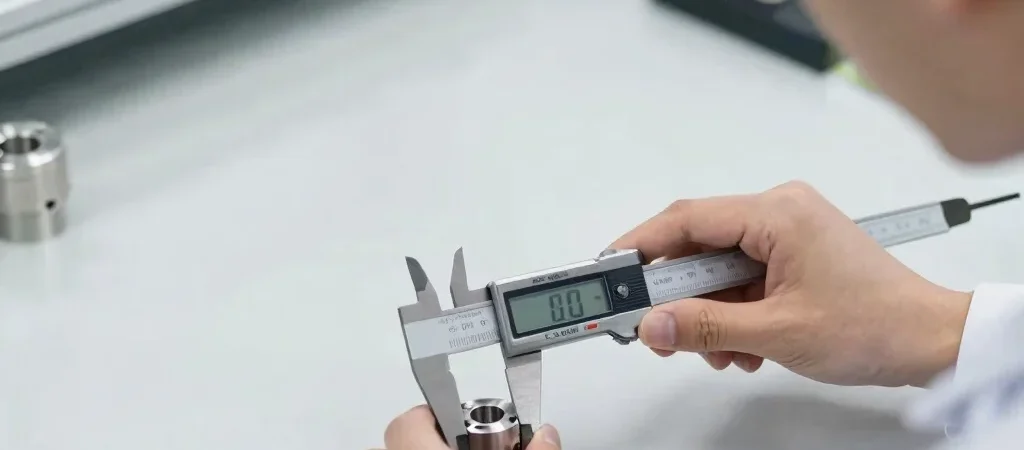
During an in-person audit, we inspect the condition of specialized heavy tooling, verify raw material inventories, and check active production schedules. A legitimate factory has raw material shipments arriving and clear batch numbers assigned to running workstations.
Securing Direct Terms and Audit Rights
Establishing factory-direct pricing requires cutting out unnecessary agency markups while binding the factory to strict quality standards. Before any funds transfer, we ensure the manufacturer signs a legally binding agreement specifying production parameters and defect thresholds.
Granting yourself explicit rights to conduct unannounced pre-shipment QC gives you total control over the production run. When factories know an inspector will verify goods before balance payments are released, compliance increases drastically.